











What Makes a Christmas T-Shirt Eco-Friendly? A Simple Guide

Finding an eco-friendly Christmas t-shirt sounds straightforward, but once you start browsing, things get confusing fast. Fabric names can be misleading, “sustainable” labels are not always clear, and it is hard to know which shirts genuinely help reduce waste versus which ones are just dressed up in green marketing.
If you are hoping to make a better choice this season without overthinking every detail, this guide breaks everything down in a simple, friendly way. Think of it as a starting point for choosing holiday shirts that feel good, last longer and support brands that are making more thoughtful decisions.
1. Look for Natural, Breathable Fabrics

A great place to start is the fabric. Natural fibres such as cotton are often more comfortable, more breathable and more durable than synthetic blends. They also tend to hold up better in warm Australian weather, which makes a big difference for holiday outfits.
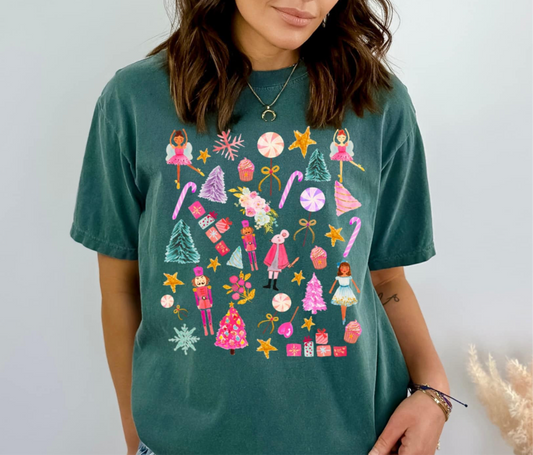
Comfort Colors, which Pixie and Elf uses for many designs, focuses on ethically grown cotton with a garment-dyed finish that feels soft from the first wear. The colours settle beautifully into the fabric, and the shirts age well without losing comfort.
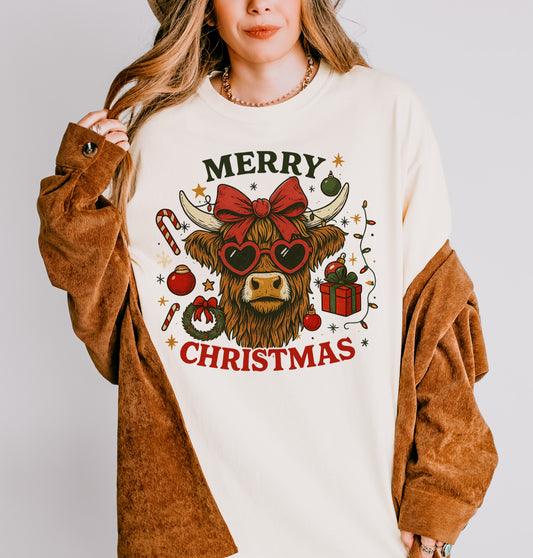
A high-quality Christmas t shirt for women made from cotton will usually last longer and stay in your wardrobe well past the holiday season, which is one of the simplest ways to be more eco-friendly.
2. Pay Attention to How the Shirt Is Dyed

Dyeing is often one of the biggest environmental factors in clothing production. Some methods use less water and produce colours that age naturally instead of cracking or fading quickly.
Signs of thoughtful dyeing include:
• low-impact dyes
• garment-dye finishing
• colours that soften rather than peel
• fabric that stays breathable after dyeing
Comfort Colors uses a garment-dye method that requires less water and creates rich colours that last. Shirts using this process often feel broken in without needing months of wear.
3. Look for Brands That Share Their Process

Even without certifications, a brand can still be thoughtful and responsible in the way it produces its shirts. Transparency often tells you more than a label ever could.
Helpful signs include:
• clear information about the materials used
• details about where printing or finishing happens
• honest descriptions instead of vague buzzwords
• consistency in product quality from item to item
Brands that care about their process usually explain it openly. If the shirt’s fabric, printing method and care instructions are shared clearly, it is easier to trust that the brand is making intentional choices.
Pixie and Elf prints all designs locally in Australia using Comfort Colors base tees. This smaller-scale, made-to-order approach helps reduce unnecessary waste and ensures that each shirt receives careful attention.
4. Choose Shirts Designed to Last

Longevity is one of the most practical forms of sustainability. A shirt that holds its shape and stays comfortable for years naturally reduces waste because it does not need to be replaced as often.
A well-made Christmas shirt usually has:
• stitching that feels secure
• fabric that stays soft after washing
• prints that do not peel or fade
• a fit that continues to feel good over time
Comfort Colors shirts often become favourites because they last through many seasons, making them a more thoughtful choice for festive outfits.
5. Be Selective With Fast-Fashion Holiday Shirts

Fast-fashion holiday shirts often look fun, but they are usually made quickly from synthetic blends that feel hot, clingy or uncomfortable. Many start pilling or losing their shape after just a few washes.
If your shirt is going to be worn once, then tossed, it is not a sustainable choice. A higher-quality shirt made with care will feel nicer on the body and remain wearable long after Christmas.
6. Compare Material Types

If you want to understand materials a little deeper, here is a simple breakdown:
• Cotton: breathable, long-lasting and ideal for Australia’s climate
• Organic cotton: similar benefits to cotton but grown with fewer chemicals
• Bamboo: soft and moisture-wicking, though processing varies
• Polyester blends: inexpensive but less breathable and often less durable
For Christmas shirts, cotton remains one of the best choices because it is comfortable, strong and easy to care for.
7. Pick a Design You Will Rewear

Sustainability is not just about the materials or dyeing methods. It is also about choosing a shirt you genuinely love. If you pick a design that reflects your personality, you are far more likely to wear it again next year.
Whether you prefer something festive, funny, subtle or classic, the best choice is one you genuinely look forward to pulling out during the holidays. Rewearing your favourites is one of the simplest ways to reduce waste.
8. Learn How to Care for Your Christmas Shirt

Taking care of your shirt helps it last longer, which is a small but meaningful step toward being more eco-friendly. Simple habits make a big difference.
Care tips include:
• wash in cold water
• use gentle detergent
• turn shirts inside out before washing
• avoid high heat when drying
• store folded instead of stretched on hangers
When your shirt keeps its shape and stays comfortable, it becomes a reliable part of your holiday wardrobe for years.
Final Thoughts
An eco-friendly Christmas shirt is not about complicated checklists or perfect certifications. It is about choosing pieces made with care, opting for natural fabrics, paying attention to dyeing, and selecting designs you will happily wear again and again. A well-made Christmas t shirt should feel comfortable, stay vibrant and bring joy to your festive season year after year.